Batting technique has always been coached by eye. The great coaches know what good looks like. They can see when something is off. But measuring it, tracking it session over session, and identifying the root cause across 23+ parameters simultaneously has never been possible from the boundary. Until now.
Why batting biomechanics matters
In CricMotion's dataset, the downswing is the root cause phase in the majority of batting analyses. Fix the downswing, and follow-through flags typically resolve. Coach the follow-through without addressing the downswing, and you're drilling a symptom.
Phase 1 — Stance
The stance sets up everything that follows. A poor stance cascades problems through every subsequent phase.
- Stance width (% of height): Target 25–40%. Too wide restricts weight transfer. Too narrow reduces base.
- Front-knee flex at stance: Target 15–25°. A straight front knee at stance leads to a locked knee at impact.
- Back-elbow flex: Target 80–110°. A high back elbow above 110° is a flag in the biomechanics literature.
- Weight on back foot: Target 50–60%. Dominant back-foot loading leads to late weight transfer at impact.
- Bat grip height: Target 28–35% of height. Too high creates excessive wrist cock.
Phase 2 — Backswing
- Trigger step: Target 5–15cm. No trigger step is the most common flag — it removes the timing cue that helps batsmen load and transfer weight.
- Backlift height: Target 95–115% of height. Research shows this is one of the two strongest predictors of bat-speed (Peploe et al.). Most club batsmen backlift to 50–70%.
Phase 3 — Downswing (root cause phase)
- Front-foot stride (% of height): Target 35–55%. This is the #1 finding in batting analyses. The average club batsman strides 15–20% — half the required distance.
- Front-knee flex at impact: Target 130–155°. A knee at 170° at impact means the front leg is a rigid post — kills both power and consistency.
- Head position over front knee: Target −6 to +6cm. A head 15–20cm outside the front knee is one of the strongest predictors of mistimed shots against late-moving deliveries.
- Top-arm elbow extension at impact: Target 140–170°. Often the bright spot in batting analyses.
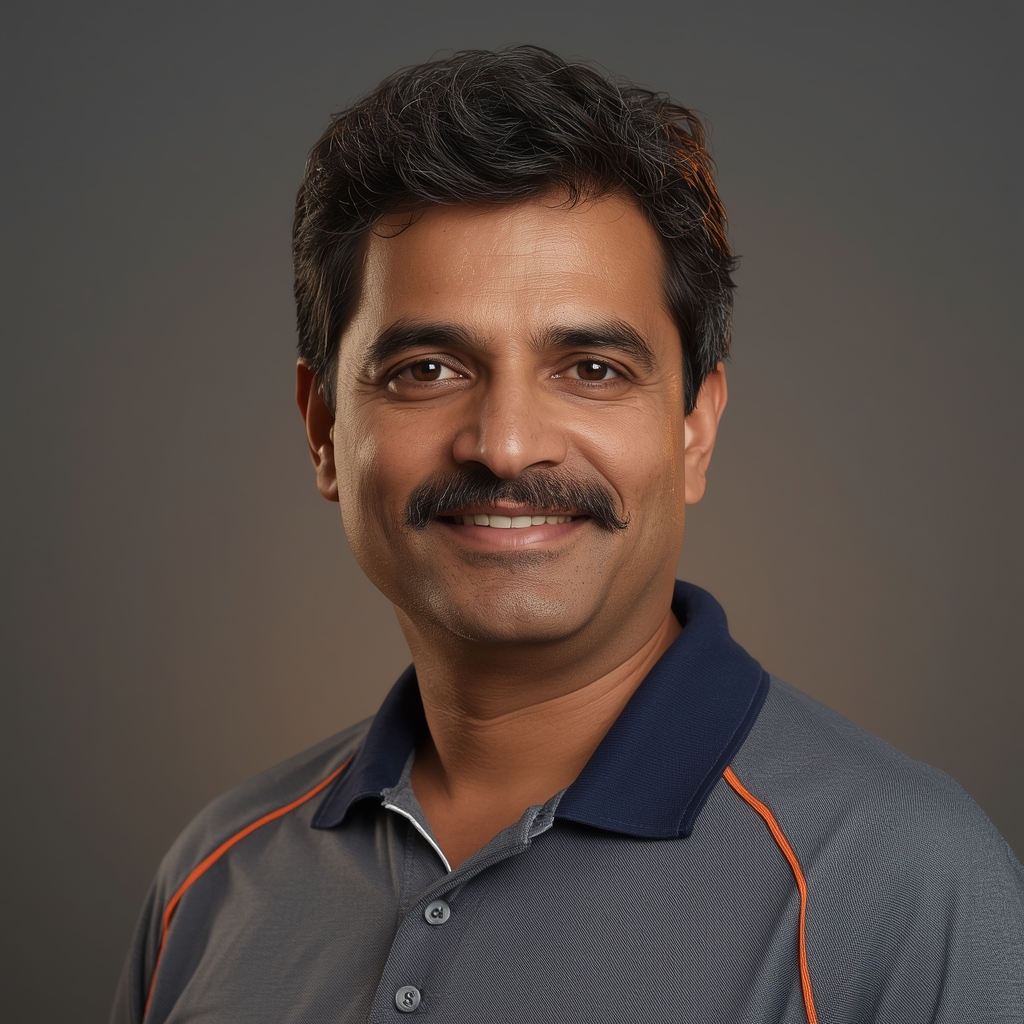
"The front-foot stride is the most under-coached parameter in Indian batting. Every coach tells their batsman to get forward. What they mean is a 15% stride. What the research says is 35–55%. Fix the stride — the knee, the head, and the follow-through often follow automatically. — Arjun Sir"
Phase 4 — Follow-through
Follow-through flags are almost always downstream consequences of downswing problems. Before drilling follow-through, confirm the flag is not marked DOWNSTREAM in the analysis. If it is, fix the downswing — the follow-through will often resolve without separate drilling.